
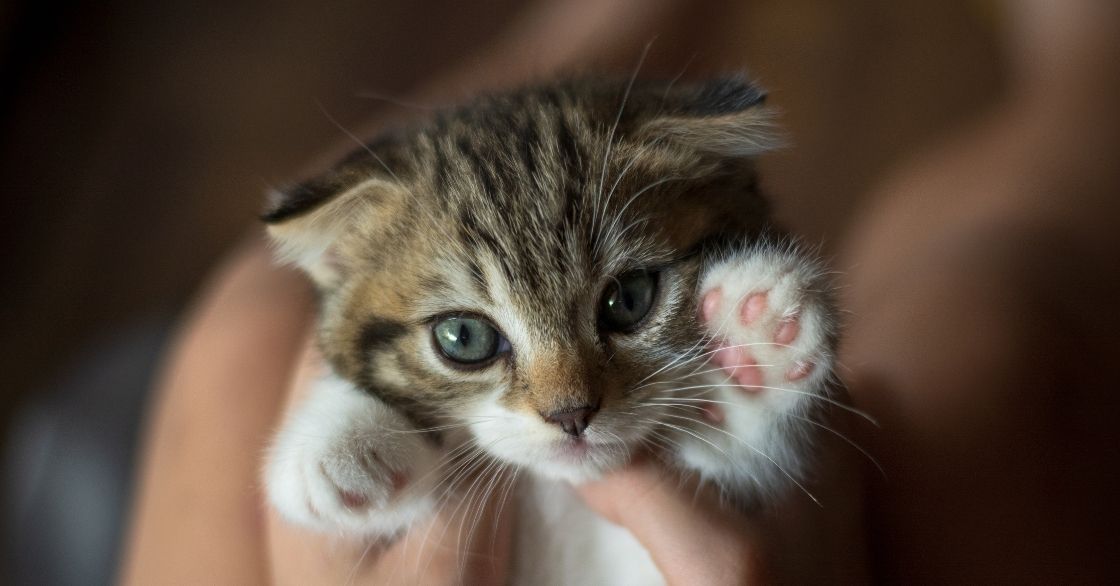
First time owners guide to raising a kitten
Adopting a new kitten is an exciting time for anyone.
Welcoming the right furry family member into your home is a fun experience and can enhance your life!
But before you commit to becoming a full-time cat parent, there are many things to consider and prepare for first.
Are you ready for your fabric furniture to be scratched? Are you happy to create a cat-friendly home? And who will be on litter box duty several times a day?
Yes, that’s really how often you have to scoop out the pee and poop to keep your cuddly companion happy!
Make sure you ask yourself these questions and do the research before becoming a pet parent.
These teeny bundles of fluff can be sensitive and scared or downright bold and cocky with claws to match!
You never know which way it will go! And sometimes it’s all of the above and then some!
It’s important to settle your new cat in quickly and bond with them correctly to get off to the best start.
As a vet nurse and proud owner of three rescue cats, I have plenty of tips to support others in their cat parenting journeys!
I have decades of knowledge from vet practices and first-hand experience with my menagerie of pets! And I want to share all my expertise and top tips with you for free. And no, I’m not kitten around!
You can book a free online consultation or even join a quick live chat via WhatsApp to ask me any questions about kittenhood.
If you’re ready to take on the challenges and responsibilities of becoming a cat mum (or dad!) already, keep scrolling!
There are some things, you will definitively need before you bring your floofball home:
Kitten Checklist:
- Litter tray and litter
- Water and food bowls
- Travel carrier
- Kitten food
- Toys
- Scratch post
- Cat bed
Other important things you have to remember to keep kittens happy and healthy so they can thrive into healthy adults include:
Vaccinations and microchip
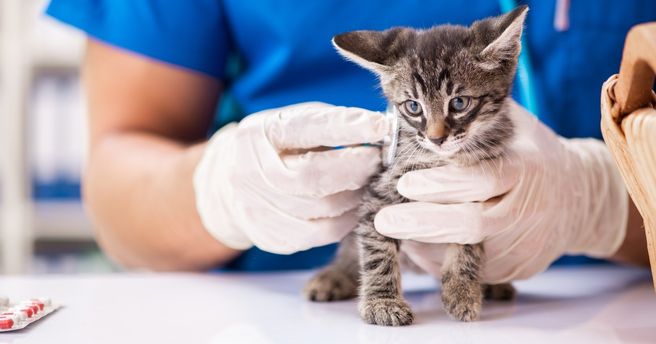
Regular vaccinations against infectious diseases protect your kitten against cat flu, feline enteritis and leukaemia.
These diseases can cause serious illness and even death, so it is crucial to keep your kitten protected.
Usually, a course of two vaccinations a few weeks apart is necessary for kittens to guarantee they are well protected, and one booster every year to keep them protected.
Microchipping isn’t currently compulsory for cats. However, in 2023 the government announced that all cats in England must be microchipped by the 24th of June 2024.
You could face a fine of £500 if you don’t comply. This is a positive move for all cats, whether indoor or outdoor, in case of loss or accident.
Litter training

Usually, kittens are good at finding and using their litter tray. Occasionally, a little assistance is required, and sometimes, a lot of assistance is required! I speak from experience!
If your kitten is not yet fully trained, there are a few steps to take which can help. Use smaller litter. Kittens tend to prefer the smaller sand-based litter or tofu!
Pick the one with the smallest grain size. Wood-based pellets are sometimes quite uncomfortable, and kittens don’t understand what it’s for and will often avoid it.
Once your kitty is litter trained, you can gradually change to a different litter.
Take your kitten to the litter tray and gently place them in there as soon as they wake up and after they eat and play. Every few hours for good measure is even better!
Remember to give lots of positive praise and fuss when they use the tray. Tasty rewards such as kitten-safe treats are even better and will speed up litter training.
Always use a shallow, smaller litter tray, which makes it easier for your kitten to get in and out without assistance.
Keep the litter tray clean. Change and clean the entire tray at least once a day, and if possible, remove any soiling as soon as possible.
Scoop out poops and the small areas of urine. Cats prefer to toilet in a clean tray, so keeping it pristine will encourage litter training.
Play and socialisation
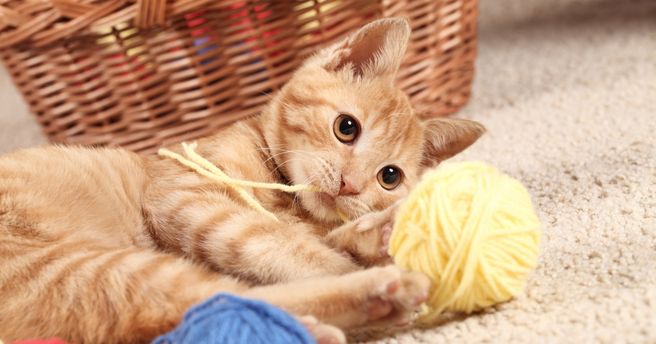
It can take a little time for your kitten to settle into a new home. If possible, limit the spaces in the home they have access to.
A smaller room in the house for them to settle and gain confidence and gradually increase the amount of space they have access to.
Provide safe places/hiding spaces/rest areas. Kittens sleep for up to 20 hours a day! Provide a cosy, quiet place they can retreat to undisturbed.
Encourage bonding with the family with toys and play. Feather toys and chase toys are perfect.
A cat tower or scratching post will provide a safe, high area to escape and lots of fun for your kitten.
Interactive toys can keep your kitten entertained when you are not around to play.
Behaviour
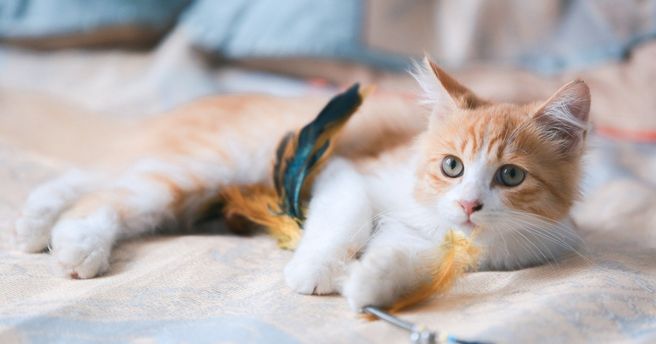
It’s not just puppies that can be little terrors with play fighting and biting our arms and hands. Kittens can also be little tinkers!
Encourage play with toys like feather wands. These are perfect for distracting attention away from your arms and hands!
If you find your kitten is dive-bombing your hands with their teeth, do not encourage them to play with your hands.
Always avoid any rough play or rapid rubbing of bellies (hardly any kittens will tolerate this and will grab you with their nails or teeth! However, there are a few of the more chilled cat breeds that will often allow this!).
Always treat your cat as an individual and approach with caution.
If your kitty is biting or scratching, gently remove your hand, get up and walk away.
You can also take the toy and encourage them to play with this instead with positive praise when they are directing those teeth and nails into the toy rather than you!
Parasites
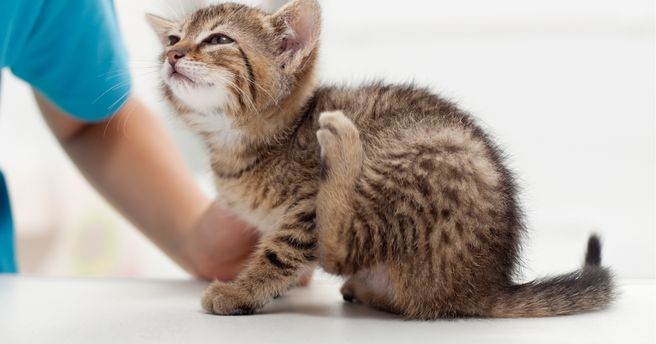
We recommend you regularly treat your kitten against fleas, ticks and worms.
Worming should be done monthly until six months of age and every three months after.
However, this does depend on whether you have an indoor or outdoor cat.
There is also the option of the worm egg count for cats as a most cost-effective and environmentally friendly alternative to giving worming medication.
A small amount of faeces is collected and sent to the laboratory for analysis under a microscope.
You can then find out if there is any evidence of worm eggs or larvae and also identify the species. Following this, your vet will confirm whether or not a worming medication is required.
Along with regular treatment for worms, we also advise treating indoor and outdoor cats against fleas and ticks.
Choosing the right parasite protection to suit you and your kitten can be very confusing.
Don’t hesitate to book a free parasite consultation with our registered vet nurses for further advice on safe and effective treatments.
You can connect instantly by using the live chat via WhatsApp for quick answers.
Pet Insurance
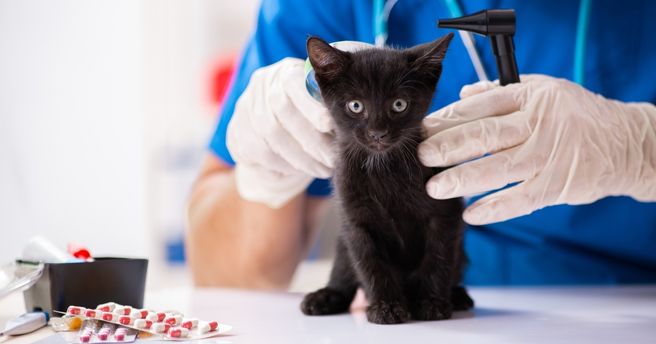
Only 46% of cat owners have insurance. Less than half! We all know that the cost of living is increasing dramatically, and unfortunately, this includes the cost of vet bills.
We recommend cat owners prepare for unexpected accidents or illness and protect their feline friends with cat insurance.
Before purchasing pet insurance, it’s crucial that you thoroughly review the terms and conditions and cost of the policy based on your household budget and coverage needs.
Do you want everything covered, like all diseases, diagnostic tests, surgeries, advertising for lost pets, and behaviour?
The list can be huge!
As a general rule of thumb, the more you have covered, the more expensive your premium will be.
Usually, you can find pet insurance that suits all household incomes. Some pet insurance policies may only cover the standard big vet bills such as hospitalisation and surgeries.
The team at Heckin Good recommend taking out a cat insurance policy suitable for your kitten.
Whether they are indoor or outdoor cats, you never know what may happen, and as veterinary professionals, we have witnessed first-hand the devastating decisions some pet owners face when they can’t afford vet care.
Diet
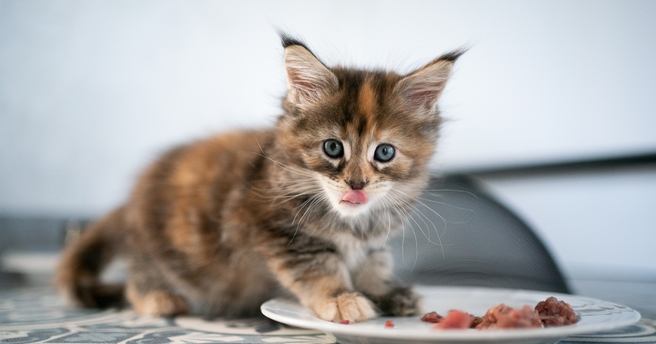
It’s up to you to decide what kind of diet you want to feed your kitten. The most common options are dry and wet complete kitten foods.
I suggest feeding a combination of dry and wet food for kittens. Dry food keeps them feeling full for longer and prevents them from constantly begging for food. In contrast, wet food increases their water intake and can serve as a delicious treat. It’s also much easier to add medication to wet food.
Cats prefer to eat little and often, so ideally, leave dry food out 24/7 for them to graze on. However, some cats may eat too much in one go, so you may need to split their daily ration into smaller meals throughout the day.
Nowadays, there are more cat food options than ever before. Fresh, prepared frozen foods are available commercially, but they may be more expensive than dry food. If you’re interested in this option, make sure it’s suitable for growing kittens.
Choosing the right food or combination of foods can be confusing, so take advantage of Heckin Good’s free nurse advice for unbiased guidance.
Our goal is to ensure that you and your kitten have all the necessary nutrition for optimal health.